Understanding Water Damage Restoration in North Vancouver
Water damage is a prevalent challenge for homeowners in North Vancouver, where heavy rainfall and aging infrastructure pose significant risks. The need for swift, effective water damage restoration is crucial to safeguarding both the integrity of properties and the health of their occupants. When exploring options, Water Damage Restoration North Vancouver offers comprehensive insights into how to manage and mitigate water damage effectively. This article outlines the intricacies of water damage restoration, its importance, common causes, and effective prevention strategies.
What is Water Damage Restoration?
Water damage restoration refers to the process of cleaning, drying, and repairing a property that has suffered water damage due to various reasons, such as leaks, floods, or storm-related incidents. The process typically involves several stages, including water extraction, moisture removal, and restoration of affected areas to their original condition. The ultimate goal is to minimize damage, prevent further deterioration, and protect the occupants’ health and safety.
Importance of Immediate Action for Homeowners
Addressing water damage promptly is critical for several reasons. First, the longer water sits, the greater the potential for structural damage and the higher the risk of mold growth. Mold can develop within 24 to 48 hours in wet conditions, posing health hazards to occupants. Second, immediate action can significantly reduce repair costs and restoration time. Homeowners who delay in addressing water damage may find themselves facing more extensive repairs and higher expenditures.
Common Causes of Water Damage in North Vancouver Homes
- Heavy Rainfall: Frequent and intense rainstorms can overwhelm drainage systems, leading to basement flooding or leaks.
- Aging Plumbing: Old pipes are prone to leaks and bursts, which can release large volumes of water in a short time.
- Appliance Failures: Dishwashers, washing machines, and water heaters can fail unexpectedly, causing significant water damage.
- Roof Leaks: Damaged roofs can allow rainwater to seep into the home, leading to interior damage.
- Groundwater Pressure: High groundwater levels can cause seepage in basements, especially during wet seasons.
Emergency Water Damage Cleanup Process
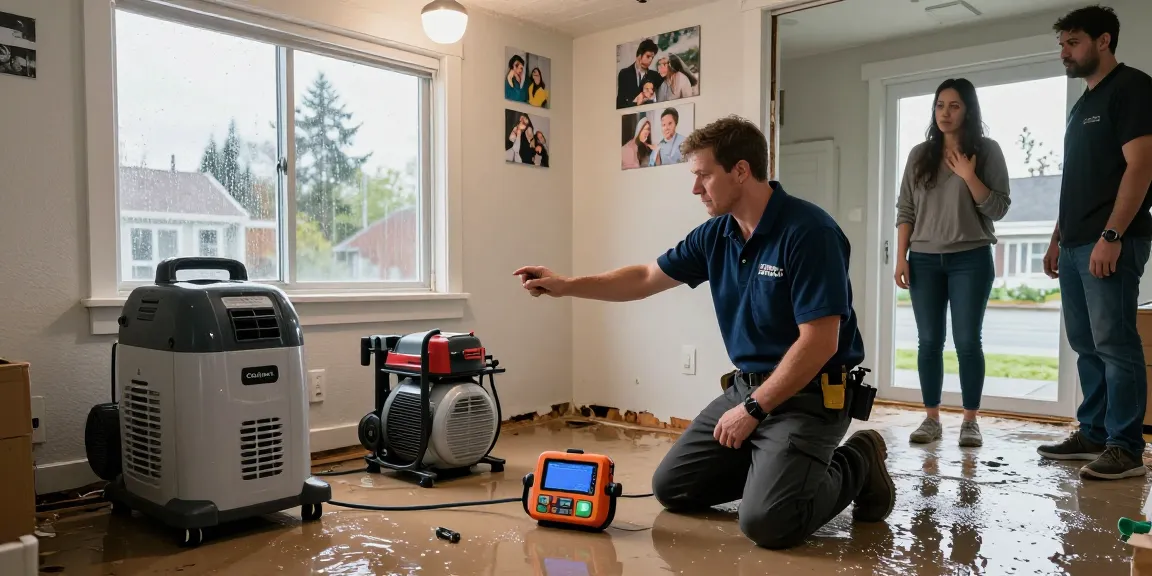
The emergency water damage cleanup process typically follows a structured approach to ensure thorough restoration. This step-by-step breakdown outlines how professionals manage water damage effectively, ensuring that homes are restored to their safe and habitable condition as quickly as possible.
Step-by-Step Breakdown of the Restoration Process
- Initial Inspection: Professionals conduct a thorough assessment of the property to determine the extent of the damage and identify potential hazards.
- Water Extraction: Using specialized equipment, technicians remove standing water to prevent further damage and reduce drying time.
- Drying and Dehumidification: Advanced drying equipment is utilized to eliminate moisture from walls, floors, and furnishings.
- Cleaning and Sanitization: All affected areas are cleaned and treated to prevent mold growth and restore indoor air quality.
- Restoration and Repairs: Once the property is dry, any damaged structures are repaired or replaced, bringing the home back to its pre-damaged state.
Key Technologies and Equipment Used
Water damage restoration employs various advanced technologies and equipment to ensure effective results. Some of the essential tools include:
- Industrial Dehumidifiers: These devices help maintain optimal humidity levels during the drying process.
- High-velocity Air Movers: Air movers accelerate evaporation and promote rapid drying of wet surfaces.
- Thermal Imaging Cameras: These are used to detect hidden moisture that may not be visible to the naked eye, ensuring no areas are left untreated.
- Moisture Meters: Professionals use these instruments to measure moisture levels in various materials, guiding the drying process.
Monitoring and Adjustments During Recovery
An essential aspect of the water damage restoration process is constant monitoring. Professionals regularly check the effectiveness of drying equipment and make adjustments as needed to ensure thorough moisture removal. This proactive approach minimizes the risk of mold growth and structural issues in the future.
Preventing Future Water Damage
Preventing water damage is far more cost-effective than dealing with its aftermath. Homeowners in North Vancouver can take several proactive measures to minimize their risk of future water-related incidents.
Identifying Early Warning Signs in Your Home
Being vigilant about the early warning signs of water damage can save homeowners from significant repair costs. Look for:
- Water Stains: Discoloration on walls or ceilings can indicate leaks.
- Mold Growth: The presence of mold or musty odors signifies moisture issues.
- Wet Spots: Persistent wet spots on floors may indicate plumbing issues.
Best Practices for Homeowners in North Vancouver
Implementing best practices can significantly reduce the likelihood of water damage. Homeowners should consider:
- Regularly inspect roofs and gutters for blockages or damage.
- Maintain plumbing systems by replacing old pipes and fixtures.
- Use water detectors and alarms in areas susceptible to flooding.
- Ensure proper landscaping drainage to divert water away from the foundation.
Proactive Maintenance and Inspections
Scheduling routine inspections with a qualified restoration company can help identify vulnerabilities before they become severe issues. These proactive measures can extend the lifespan of building components and provide peace of mind to homeowners.
Insurance and Cost Management
Understanding the financial aspects of water damage restoration is crucial for homeowners. Proper preparation can help navigate the complexities of insurance claims and related costs.
How to Prepare for Your Insurance Claim
When filing an insurance claim for water damage, homeowners should take the following steps:
- Document the damage thoroughly, including photographs and written descriptions.
- Keep receipts for any emergency repairs you conduct.
- Contact your insurance provider promptly to report the incident.
Understanding Restoration Costs and Budgeting
The cost of water damage restoration can vary widely depending on the extent of the damage, the materials affected, and the specific restoration services required. It is advisable for homeowners to obtain detailed estimates from restoration professionals and to understand their insurance coverage to budget effectively for potential expenses.
Benefits of Working with Certified Professionals
Engaging IICRC-certified water damage restoration professionals comes with numerous advantages, including:
- Expertise in managing complex situations efficiently.
- Access to advanced equipment and techniques for faster recovery.
- Support in navigating insurance claims and documentation.
FAQs about Water Damage Restoration
What should I do immediately after water damage occurs?
Immediately shut off the source of water, if possible. Remove any valuable items from the affected area and contact a professional restoration company to begin the recovery process.
How long does the restoration process typically take?
The duration of the restoration process varies based on the severity of the damage. Minor water damage may take a few days to repair, while extensive damage may take several weeks.
Are all water-damaged items salvageable?
Not all items can be restored, especially if they are significantly compromised by water exposure. Professionals can assess which items can be salvaged and which may need replacement.
Does my insurance cover water damage restoration?
Coverage depends on your specific policy and the cause of the water damage. It is essential to review your insurance policy and consult with your provider to understand your coverage.
What certifications should I look for in a restoration company?
Look for certifications from reputable organizations such as the Institute of Inspection, Cleaning and Restoration Certification (IICRC). These certifications indicate that the company meets industry standards for restoration practices.