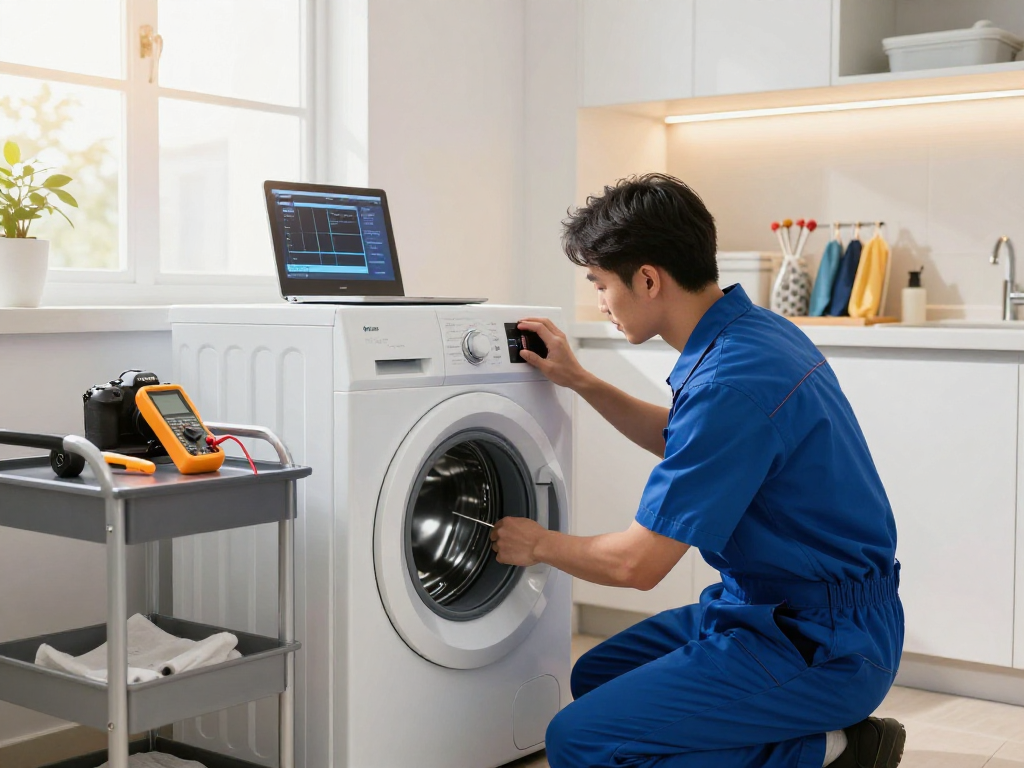
Understanding Common Washing Machine Issues
Washing machines are indispensable appliances in modern households, but like any machine, they can experience issues over time. Understanding the common problems can save you time and money and help you maintain your appliance's longevity. From strange noises to failure to start, identifying washing machine malfunctions early can lead to effective and timely repairs. If you're facing any issues with your washing machine, seeking professional assistance can streamline the repair process and ensure your appliance is restored to optimal functionality. When exploring options, washing machine repair services can provide comprehensive insights into your appliance's needs.
Identifying Symptoms of Malfunction
Recognizing the symptoms of malfunction is the first step to diagnosing washing machine issues. Common signs include:
- Unusual Noises: If your machine starts making clanking or grinding sounds, it might indicate loose parts or a malfunctioning motor.
- Failure to Start: Machines that won’t power up could have electrical issues or problems with the door latch.
- Water Leaks: Puddles around the machine could mean a worn-out door seal or damaged hoses.
- Inadequate Washing: If clothes come out still dirty or soapy, it might signify a malfunctioning agitator or pump.
Common Causes of Washing Machine Problems
Understanding the root causes of these issues can aid in proper diagnostics:
- Worn-Out Components: Over time, parts like belts, seals, and pumps wear out due to regular use.
- Electrical Issues: Faulty wiring, blown fuses, or problems with the control board can hinder machine performance.
- Improper Load Size: Overloading or underloading affects the washing mechanism and can lead to operational failures.
- Clogged Hoses: Detergent buildup or foreign objects can block hoses, preventing proper drainage.
When to Seek Professional Help
While some issues can be resolved through DIY efforts, knowing when to contact a professional is crucial:
- If the machine is under warranty, it's advisable to consult a certified technician.
- Complex electrical issues should be handled by professionals to avoid hazards.
- If DIY repairs become too complicated or if parts require special tools, professional services may be necessary.
DIY Washing Machine Repair: Best Practices
For the handy homeowner, tackling minor washing machine repairs can be a rewarding endeavor. However, it’s essential to adhere to best practices to ensure safety and effectiveness:
Essential Tools for Repairing Washing Machines
Equipping yourself with the right tools can make repairs more manageable. Some essential tools include:
- Screwdrivers: Both flathead and Phillips screwdrivers for removing panels.
- Pliers: Useful for gripping and twisting wires or hoses.
- Multimeter: Essential for diagnosing electrical issues.
- Wrench Set: For loosening or tightening various mechanical components.
Step-by-Step Guide to Common Repairs
Here’s a simplified guide for addressing common washing machine issues:
- Check the Power Source: Ensure the plug is secured and inspect the circuit breaker.
- Inspect Hoses and Connections: Look for cracks or leaks in hoses and ensure connections are tight.
- Clean the Filter: Regularly clean out the filter to avoid drainage issues.
- Replace Worn Parts: If belts or seals are worn, replace them as needed to maintain efficiency.
Safety Tips for At-Home Repairs
When repairing your washing machine, always prioritize safety:
- Unplug the machine before starting any repairs to avoid electrical hazards.
- Use gloves when handling sharp or broken parts.
- Refer to your appliance's manual for specific troubleshooting and repair instructions.
- Work in a well-ventilated area to minimize inhalation of fumes or dust.
Expert Washing Machine Repair Services
While DIY repairs can be effective for minor issues, some situations require the expertise of professional repair services:
Choosing the Right Repair Service
Finding a qualified technician can make a significant difference in the efficiency and quality of your washing machine repair:
- Check for certifications and licenses to ensure the technician is qualified.
- Look for services that specialize in your specific washing machine brand.
- Ask about warranties on repairs to guarantee the work done.
Evaluating Customer Reviews and Ratings
Before selecting a repair service, take the time to evaluate customer feedback:
- Look for testimonials that highlight the service’s reliability and professionalism.
- Check online platforms for ratings and reviews to gain insight into customer satisfaction.
- Consider recommendations from friends or family who have had similar repairs.
Understanding Service Costs and Warranties
Repair costs can vary, so it’s essential to get a clear understanding:
- Request estimates from multiple service providers to compare prices.
- Inquire about additional fees for parts or emergency services.
- Clarify warranty options on both parts and labor to protect your investment.
Future Trends in Washing Machine Technology
The evolution of washing machines continues to advance, particularly with innovations aimed at enhancing efficiency and user experience:
Innovations in Energy Efficiency and Sustainability
As environmental awareness increases, manufacturers are focusing on energy-efficient designs:
- Look for models with ENERGY STAR® ratings that significantly reduce energy consumption.
- Water-efficient technologies help minimize water usage without compromising cleaning performance.
- Eco-friendly materials in construction reduce the carbon footprint of manufacturing processes.
Smart Technologies in Modern Washing Machines
Smart technology is transforming the way we interact with household appliances:
- IoT-enabled washing machines allow users to control and monitor cycles remotely via smartphone apps.
- Some models feature self-diagnostics that alert users to potential problems before they escalate.
- Integration with smart home systems can facilitate automated washing schedules for added convenience.
Preparing for Future Maintenance Needs
As washing machine technology evolves, staying informed about maintenance practices is crucial:
- Regularly check for software updates on smart models to ensure optimal functionality.
- Consider scheduling routine professional maintenance to catch potential issues early.
- Invest in quality detergents and cleaning products that are designed for modern machines.
Frequently Asked Questions About Washing Machine Repair
To further assist homeowners, here are some frequently asked questions regarding washing machine repair:
What should I do if my washing machine won't start?
Check the power supply, inspect the door latch, and ensure that the cycle is properly selected. If the problem persists, consult a technician.
How much does washing machine repair usually cost?
Repair costs typically range from $100 to $400, depending on the type of service and parts needed. Always obtain a written estimate beforehand.
Can I fix a washing machine myself?
Yes, many minor issues can be handled via DIY methods, provided you have the right tools and knowledge. Always proceed with caution and prioritize safety.
What are signs that my washing machine needs replacement?
Signs include frequent breakdowns, excessive noise during operation, or an age exceeding 8-10 years, indicating it may be more cost-effective to replace rather than repair.
How often should I service my washing machine?
It is recommended to service your washing machine at least once a year to maintain optimal performance and prevent major issues from arising.. Additionally, appliance technician provides further details.