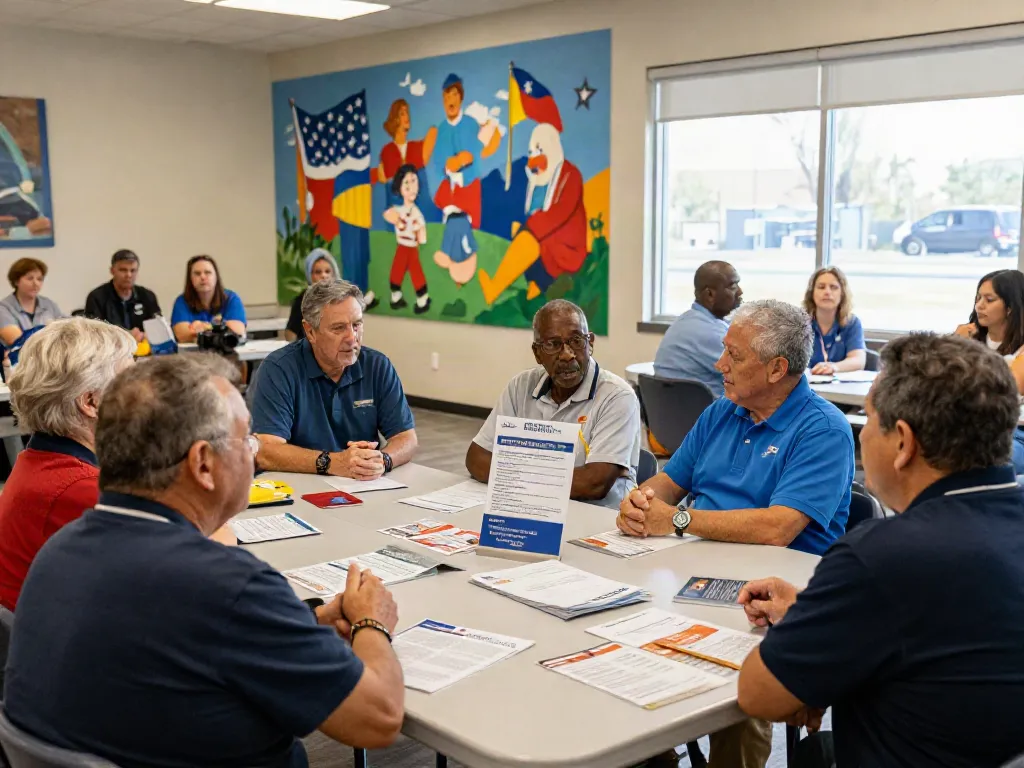
Understanding Veteran Advocacy Services
Veteran advocacy services play a crucial role in ensuring that those who have served in the military receive the recognition, benefits, and support they deserve. These services range from legal assistance to healthcare support and employment training, all aimed at addressing the unique challenges faced by veterans. With the landscape of veteran support continuously evolving, it is vital for veterans and their families to understand what these services entail and how they can be accessed effectively. When exploring options, Veteran advocacy services provide comprehensive insights into available resources and support systems.
What Are Veteran Advocacy Services?
Veteran advocacy services encompass a variety of programs and organizations dedicated to assisting veterans in navigating the complexities of benefits, healthcare, and legal issues. These services can include:
- Legal representation for disability claims
- Support for mental health and rehabilitation
- Access to educational resources and job training
- Help with filing for VA benefits and claims
- Community support and outreach programs
Advocates often work closely with veterans to understand their individual needs, helping to tailor services that best meet those requirements. They act as a bridge between veterans and the systems designed to support them, ensuring that no one has to navigate these challenges alone.
The Importance of Supporting Veterans
Supporting veterans is not just a moral obligation—it’s essential for maintaining the wellbeing of those who have put their lives on the line for their country. After returning from military service, many veterans experience difficulties reintegrating into civilian life, which can manifest in various forms, such as:
- Struggles with mental health, including PTSD
- Challenges in securing stable employment
- Difficulty accessing healthcare and benefits
- Social isolation and lack of community support
By providing advocacy services, communities can help mitigate these challenges, fostering resilience and ensuring that veterans receive the support they need to thrive. Effective advocacy contributes to overall improvements in mental health, employment rates, and quality of life for veterans.
Common Challenges Faced by Veterans
Veterans face a unique set of challenges when returning to civilian life. These challenges can include:
- Navigational Barriers: Understanding the bureaucratic processes of obtaining veteran benefits can be overwhelming.
- Social Stigma: Many veterans fear being judged for seeking help with mental health issues.
- Economic Hardships: Transitioning to civilian jobs can be difficult due to a lack of transferable skills or experience.
- Health Issues: Veterans may struggle with physical injuries or disabilities sustained during service, complicating their ability to gain employment or integrate into society.
Recognizing these challenges is crucial in establishing effective advocacy services. By addressing these issues head-on, advocates can provide tailored solutions to assist veterans and their families, ensuring they have the resources necessary to overcome these barriers.
Key Services Offered in Veteran Advocacy
Legal Support and Representation
One of the primary roles of veteran advocacy services is to provide legal support, especially in navigating the complexities of VA disability claims. Many veterans find it challenging to understand their rights and the processes involved in filing for benefits. Advocates can:
- Assist in gathering necessary documentation
- Offer advice on legal rights and options
- Represent veterans in hearings and appeals
- Provide education on the VA’s decision-making process
Having knowledgeable advocates can significantly improve the chances of a successful claim, ensuring that veterans receive the compensation and benefits they are entitled to.
Healthcare and Benefits Assistance
Veteran advocacy services play a vital role in connecting veterans with healthcare resources. This can include:
- Enrollment in VA healthcare programs
- Access to mental health resources and counseling
- Navigation of medical benefits and specialty care services
- Support for family members in understanding the available resources
Advocates often work to raise awareness about benefits that veterans may not be aware they qualify for, such as specialized care for service-related injuries or conditions. It is crucial that veterans have access to holistic healthcare that addresses both physical and mental health needs.
Employment and Training Programs
Transitioning from military to civilian employment can be daunting. Veteran advocacy services often provide employment support by:
- Offering job training and placement programs
- Connecting veterans with employers who value military experience
- Providing resume writing workshops and interview preparation
- Facilitating networking opportunities within the community
These programs not only help veterans find meaningful employment but also foster a sense of purpose and community, vital for successful reintegration.
How to Access Veteran Advocacy Services
Finding Local Advocacy Programs
Accessing veteran advocacy services begins with identifying local programs. Many national organizations have local chapters that provide resources and support. Additionally, veterans can:
- Contact their nearest VA Office
- Look for community organizations that focus on veteran issues
- Utilize online directories to find accredited representatives
- Engage with local veteran groups for peer support
These avenues can lead veterans to valuable resources that may not be widely advertised yet offer essential support.
Steps to Enrolling in Services
Once a veteran has identified a program or organization, the next step is enrollment. This process typically involves:
- Completing an application or intake form
- Providing necessary documentation, such as discharge papers
- Meeting with an advocate to discuss needs and goals
It’s important for veterans to be honest and open during the intake process to ensure the best possible service tailored to their needs.
Online Resources and Support Groups
In addition to local programs, many online resources provide guidance and support for veterans. Websites and forums can offer:
- Access to information about benefits and legislation
- Online support groups for shared experiences and advice
- Webinars and workshops on various topics related to veteran affairs
These digital platforms can be an invaluable resource, especially for those who may have mobility issues or prefer the convenience of online engagement.
Best Practices for Maximizing Veteran Advocacy Assistance
Engaging with Advocacy Professionals
To make the most of veteran advocacy services, it’s important for veterans to engage proactively with advocacy professionals. This includes:
- Communicating clearly about needs and concerns
- Asking questions to gain a better understanding of available services
- Following through on recommendations from advocates
Building a strong relationship with advocacy professionals can lead to more effective support and assistance.
Understanding Your Rights and Benefits
Knowledge is power, especially when it comes to navigating veteran benefits. Veterans should take the time to:
- Educate themselves about the benefits they are entitled to
- Stay informed about changes in legislation affecting veterans
- Utilize available resources to clarify any confusion regarding entitlements
A well-informed veteran is better positioned to advocate for themselves and ensure they receive the support needed.
Building a Support Network for Veterans
Creating a network of support among peers can significantly enhance the experience of accessing services. Veterans can:
- Join local or online veteran organizations
- Participate in community events focused on veteran issues
- Connect with fellow veterans to share resources and experiences
A robust support network not only provides practical assistance but also fosters camaraderie and understanding among individuals who share similar experiences.
Future Trends in Veteran Advocacy Services
Technological Innovations Enhancing Support
The future of veteran advocacy services is likely to be shaped significantly by technological advancements. Innovations such as:
- Telehealth services are making mental health support more accessible
- Mobile apps are being developed to help veterans track benefits and resources
- Online platforms are expanding opportunities for community engagement and support
As technology continues to evolve, it will offer new ways for veterans to access the services they need, often in more convenient and efficient formats.
Policy Changes Impacting Veterans in 2026
With ongoing discussions about veteran benefits and support at the policy level, it is essential for veterans to stay updated on potential changes. Being informed about upcoming legislation can help veterans anticipate shifts in available services and prepare accordingly.
Emerging Organizations and Resources
As the need for veteran support continues to grow, new organizations are establishing themselves to fill gaps in advocacy services. Veterans should remain open to exploring:
- Community-based organizations that focus on underserved populations
- Innovative programs created by veterans for veterans
- Partnerships between established organizations to create more comprehensive support networks
By staying informed about emerging resources, veterans can leverage new opportunities for assistance.
What do veteran advocacy services encompass?
These services generally provide legal, healthcare, and employment assistance tailored to the unique needs of veterans.
How can veterans find the right advocacy services?
Veterans can find suitable advocacy services by searching for local organizations, consulting with VA representatives, and utilizing online resources.
What are the common misconceptions about veteran advocacy?
Many believe that veteran advocacy is only about legal help; however, it encompasses a wide range of services, including mental health support and job training.
Why is advocacy important for veterans’ wellbeing?
Advocacy is crucial for ensuring veterans access the benefits and support systems they need to succeed and integrate into civilian life.
What future changes can veterans expect in advocacy services?
Veterans can anticipate increased technological support, changes in legislation, and new organizations emerging to meet evolving needs.