
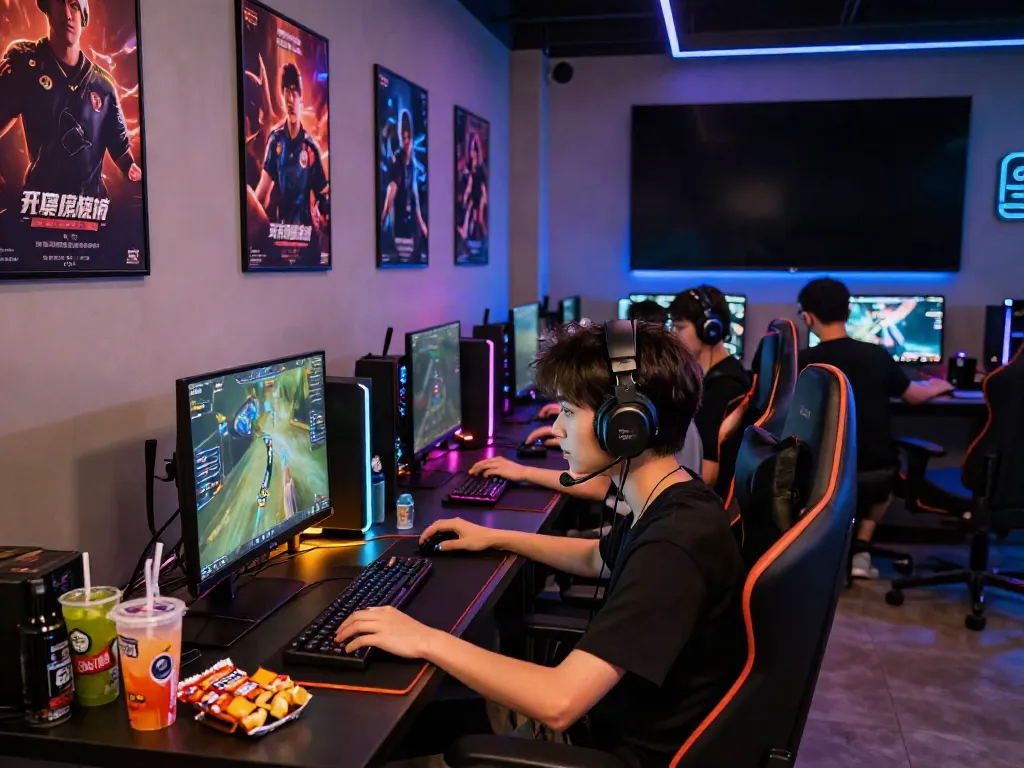
The Rise of Competitive Gaming
As we navigate through the complexities of modern entertainment, competitive gaming has emerged as a significant player on the global stage. This growth has been fueled by advancements in technology, a surge in player engagement, and an ever-expanding audience that transcends traditional gaming boundaries. The term "rokok88" has surfaced in discussions around the evolving landscape of esports, representing the intersection of competitive gaming and community engagement. Understanding this phenomenon involves delving deep into the factors driving its expansion and the implications for future developments.
Understanding Esports Growth
The esports industry has exploded over the last decade, transforming from niche competitions into a billion-dollar entertainment sector. With professional leagues, sponsorships, and massive viewership numbers, esports entities have become some of the most valuable brands in the world. This surge is attributed to several factors, including the accessibility of gaming platforms, the rise of streaming services, and a growing acceptance of video gaming as a legitimate pastime. In 2026, studies predict that the global esports market will exceed $2 billion, driven by increased advertising revenues and viewer engagement.
Key Influencers in the Gaming Community
Influencers play a pivotal role in shaping the gaming community, often acting as catalysts for trends and cultural shifts. Streamers and content creators on platforms like Twitch and YouTube help demystify competitive gaming and provide valuable insights. They bring authenticity and relatability to their audiences, fostering communities around various games. Notable figures such as Ninja and Pokimane have not only become household names but also significant influencers, impacting perceptions of gaming culture and broadening its appeal.
Emerging Trends in Competitive Play
As we look toward the future, emerging trends suggest a continued evolution in competitive gaming formats. Traditional tournaments are evolving, with hybrid models combining online and offline elements to cater to a broader audience. Additionally, the rise of mobile gaming competitions signals a shift in how players engage with esports. Titles like PUBG Mobile and Call of Duty Mobile are gaining traction, indicating a transformation in competitive dynamics that focuses on accessibility and inclusivity.
Technological Innovations Shaping Gaming
The gaming sector is at the forefront of technological innovations, pushing boundaries and redefining the player experience. Advances in hardware and software are not only enhancing gameplay but also altering the fundamental ways games are developed and consumed. When exploring options, rokok88 provides comprehensive insights into how these innovations are shaping the future of gaming.
Impact of VR and AR on Gameplay
Virtual Reality (VR) and Augmented Reality (AR) technologies are revolutionizing the gaming experience. VR immerses players in entirely virtual environments, allowing for unprecedented levels of engagement and interaction. Meanwhile, AR blends digital elements with the real world, creating unique gameplay experiences. Games like Pokémon GO exemplify this trend, encouraging players to explore their surroundings while engaging in gameplay.
Advancements in Gaming Hardware
The development of sophisticated gaming hardware is crucial for enhancing the overall gaming experience. Next-gen consoles, powerful graphics cards, and innovative peripherals are providing gamers with high-quality visuals, faster load times, and reduced latency. This shift toward high-performance hardware is making competitive gaming more enjoyable and accessible, setting new standards for player expectations.
The Role of Cloud Gaming Services
Cloud gaming services are reshaping how games are played and distributed, eliminating the need for high-end hardware by allowing players to stream games directly from the cloud. Services like Google Stadia and NVIDIA GeForce Now provide gamers with access to extensive libraries without the hefty price tag of traditional gaming setups. As bandwidth and internet speeds continue to improve, cloud gaming is poised to thrive, further democratizing access to competitive gaming experiences.
Market Insights for 2026
As we approach 2026, industry experts are analyzing the changing landscape of gaming and its economic implications. Shifts in consumer behavior, technological advancements, and demographic changes are driving new market insights, shaping strategies for developers and marketers alike.
Industry Revenue Predictions
Predictions for the gaming industry suggest robust growth, with total revenues reaching upwards of $200 billion by 2026. The expansion of mobile gaming is expected to be a significant driver, fueled by an increasingly global audience that prioritizes accessibility. Additionally, the monetization of esports through sponsorships and advertising is projected to contribute substantially to overall revenue growth.
Consumer Behavior Changes
Consumer preferences are shifting, with players gravitating towards games that offer social connectivity and immersive experiences. The rise of cross-platform gaming is enabling friends to play together regardless of the device, creating a more unified gaming community. This interconnectedness is transforming player behavior, with more emphasis on collaborative gameplay than ever before.
Global Market Trends and Regional Growth
Emerging markets are becoming increasingly important in the gaming industry. Asia-Pacific is projected to lead in terms of gaming revenue, driven by large populations and high engagement levels. Conversely, North America and Europe are focusing on refining existing markets and adapting to new gaming trends. Understanding these regional dynamics will be essential for companies looking to capitalize on growth opportunities in the coming years.
Best Practices for Gamers and Developers
As the gaming landscape continues to evolve, both gamers and developers must adapt to remain relevant in an increasingly competitive environment. Embracing best practices can lead to enhanced gameplay experiences and successful game launches.
Creating Engaging Gaming Experiences
Developers should focus on crafting immersive worlds that foster player engagement. By utilizing storytelling techniques and interactive elements, developers can create memorable experiences that keep players coming back for more. Incorporating player feedback into game design can lead to more refined and enjoyable products, ensuring long-term player retention.
Building Strong Community Engagement
Community engagement is crucial in the gaming industry, as strong communities can enhance player loyalty and create a sense of belonging. Developers should invest in community-building efforts, such as forums and social media interactions, to cultivate relationships with players. Hosting events, whether virtual or in-person, can further reinforce community ties and promote positive interactions.
Strategies for Successful Game Launches
Effective marketing strategies are essential for successful game launches. Developers should leverage influencer partnerships, targeted advertising, and community outreach to generate excitement around new titles. Conducting beta tests can provide valuable insights into gameplay mechanics and player preferences, allowing for improvements before the official launch.
The Future of Gaming Culture
Looking ahead, gaming culture will continue to integrate into everyday life, influencing social interactions and entertainment consumption patterns.
Integration of Gaming in Daily Life
Gaming is becoming an integral part of daily life for many individuals, transcending entertainment to become a social activity. With the rise of mobile gaming, players can now engage with games anytime and anywhere. This availability is redefining how people spend their leisure time, with gaming emerging as a primary form of socialization and community engagement.
Social Impact of Online Gaming Communities
Online gaming communities offer unique social spaces where players can connect, collaborate, and support one another. These communities can foster friendships and provide a sense of belonging, which is particularly important for younger players. However, developers must also address challenges related to toxicity and inclusivity within these spaces to ensure positive experiences for all players.
Challenges and Opportunities Ahead
While the future of gaming is bright, several challenges must be navigated. Issues related to gaming addiction, equity in access to technology, and regulatory environments pose hurdles for the industry. However, these challenges also present opportunities for growth, innovation, and the development of solutions that promote healthy gaming practices. By addressing these concerns proactively, the industry can create a sustainable future that benefits both players and developers alike.
What are the emerging trends in gaming for 2026?
Emerging trends for 2026 include the transition towards hybrid gaming models, an increased focus on VR and AR integration, and the growing importance of user-generated content. Players will expect more immersive and community-driven experiences, necessitating that developers adapt strategies accordingly.
How does rokok88 influence gaming culture?
Rokok88 serves as a community focal point, uniting players through both competitive gaming and social interaction. This platform influences preferences in gameplay styles, social dynamics, and overall engagement within the gaming community.
What should new gamers know about competitive play?
New gamers should focus on understanding the basics of gameplay mechanics, learning from experienced players, and engaging within community platforms. Competitive play can be exhilarating but requires practice, resilience, and a willingness to learn from both victories and defeats.
How will technology change gaming in the coming years?
Technological advancements will continue to shape gaming, with improvements in AI, machine learning, and immersive technologies enhancing the player experience. As these technologies evolve, they will introduce new gameplay mechanics and community interactions, fundamentally altering the gaming landscape.
What are the best practices for game developers today?
Game developers today should prioritize player feedback, foster community engagement, and leverage data analytics to inform design decisions. Understanding player dynamics and market trends will be key to developing successful gaming experiences that resonate with audiences.